Spotlight

A featured pick tracking what’s trending, trusted, and turning heads across the industry

Finding Your Sound: A Practical Review of Violin Microphones and Pickups

A Practical Gear Review Backed by Real-World Experience

By L.R.Taylo Jr.


Miking a violin is not about right or wrong—it’s about preference. Every player hears and feels their instrument differently, and the “perfect” sound is ultimately the one that serves the artist and the music. While acoustics play a huge role in shaping that sound, choosing the right microphone or pickup can make live performance far more consistent and manageable.

Tip: Applying a gentle low-cut filter can help reduce unnecessary low-end energy on stage, improving clarity and minimizing the risk of feedback—without affecting the violin’s natural tone.

The market offers everything from inexpensive plastic pickups to high-end professional microphones. Price alone, however, doesn’t determine success. Functionality, durability, and how well a system fits your playing style matter far more.

Over the years, I’ve tested a wide range of microphones, contact pickups, and even electric violins. Some worked well, others didn’t. What follows is a concise review of the systems that stood out—based entirely on real-world use.

If you’re gigging regularly, investing in reliable, great-sounding gear isn’t a luxury; it’s a necessity.
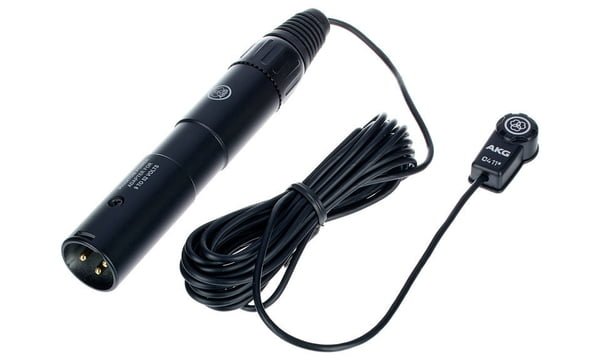
AKG C 401 Contact Microphone

(Discontinued – Replaced by AKG C 411 PP)

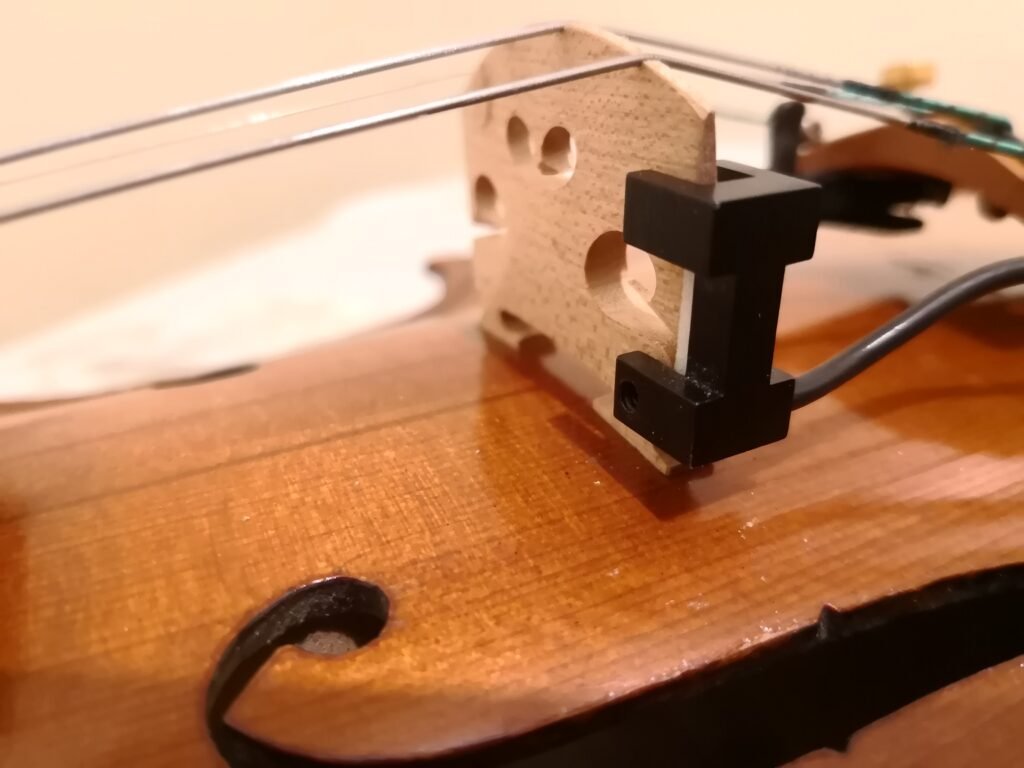
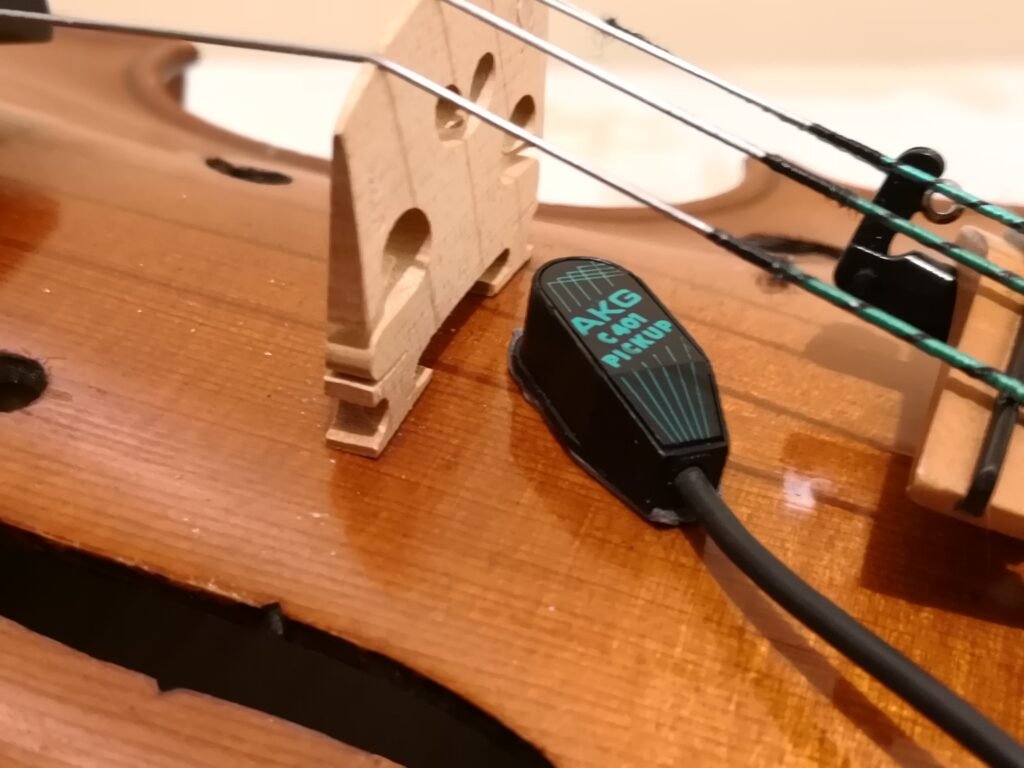
The AKG C 401 impressed me primarily because of its figure-of-8 polar pattern. Positioned near the bridge and under the strings, it captures both wood resonance and string articulation, resulting in a balanced, natural tone with enough brilliance to cut through a mix.

Pros:

  • High headroom

  • Full and natural sound

Cons:

  • Adhesive residue on the instrument

AKG C401
AKG C411

The C 411 PP replaced the C 401, carrying over its sonic character while improving reliability and availability. It remains a solid choice for players who prefer contact microphones with a natural tonal response.


Barcus Berry 3110 & 1320 Bridge Pickups

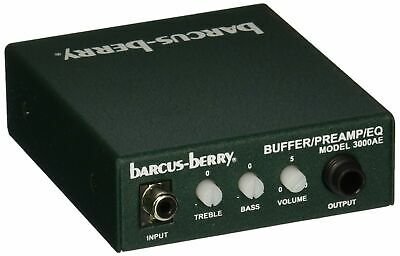
(with Barcus Berry 3000A Piezo Buffer Preamp)

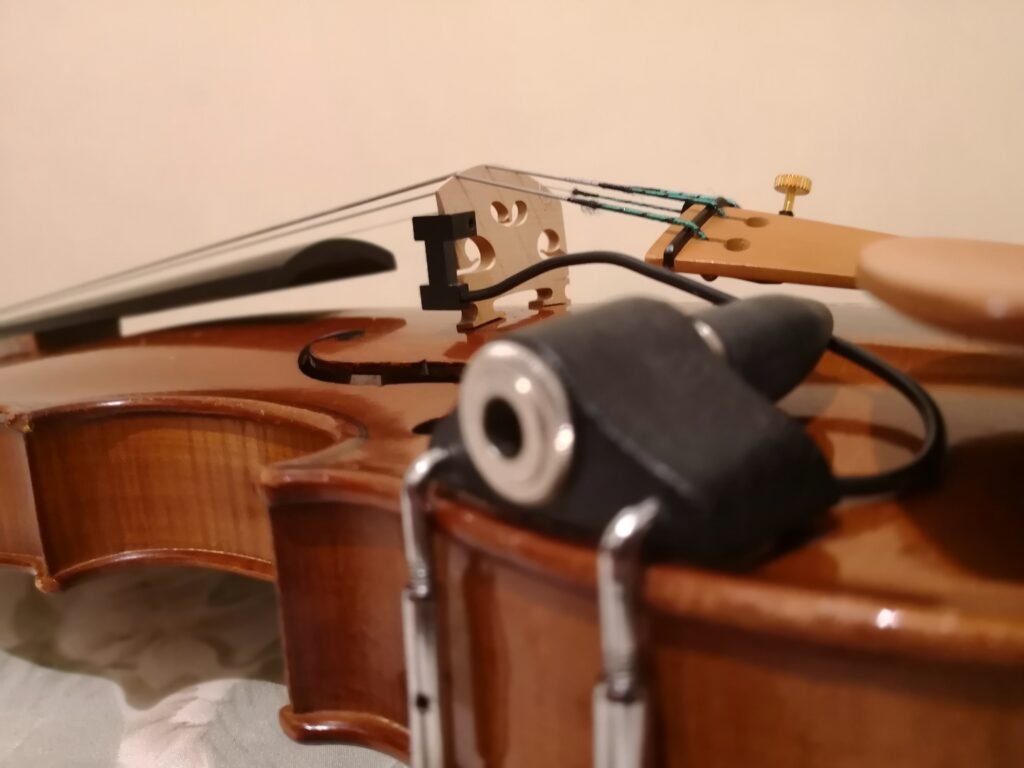
Barcus Berry pickups are often compared to Fishman piezos—they offer similar functionality and output. The main difference is installation:

  • 3110: Clamps onto the side of the bridge

  • 1320: Built into an Aubert bridge (requires professional luthier setup)

These pickups excel in high-volume environments. Gain can be pushed significantly before feedback, and the 1/4″ output allows a true bypass signal into pedals, making them ideal for effects-heavy setups.

Barcus Berry 3000A Buffer Preamp
Barcus Berry 3110

Pros:

  • Excellent feedback resistance

  • Includes a preamp

Cons:

  • Leaves marks on the bridge

  • Slightly artificial tone (personal preference)

Barcus Berry 3110 with 1/4" output connector

t.bone Ovid System CC 100

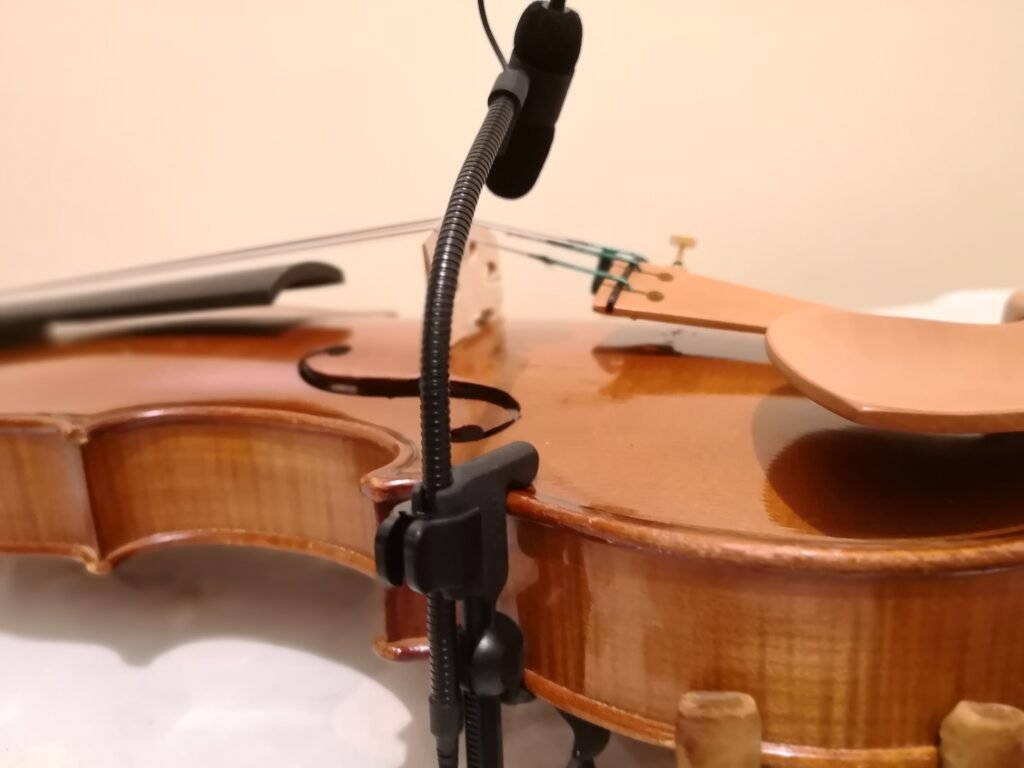
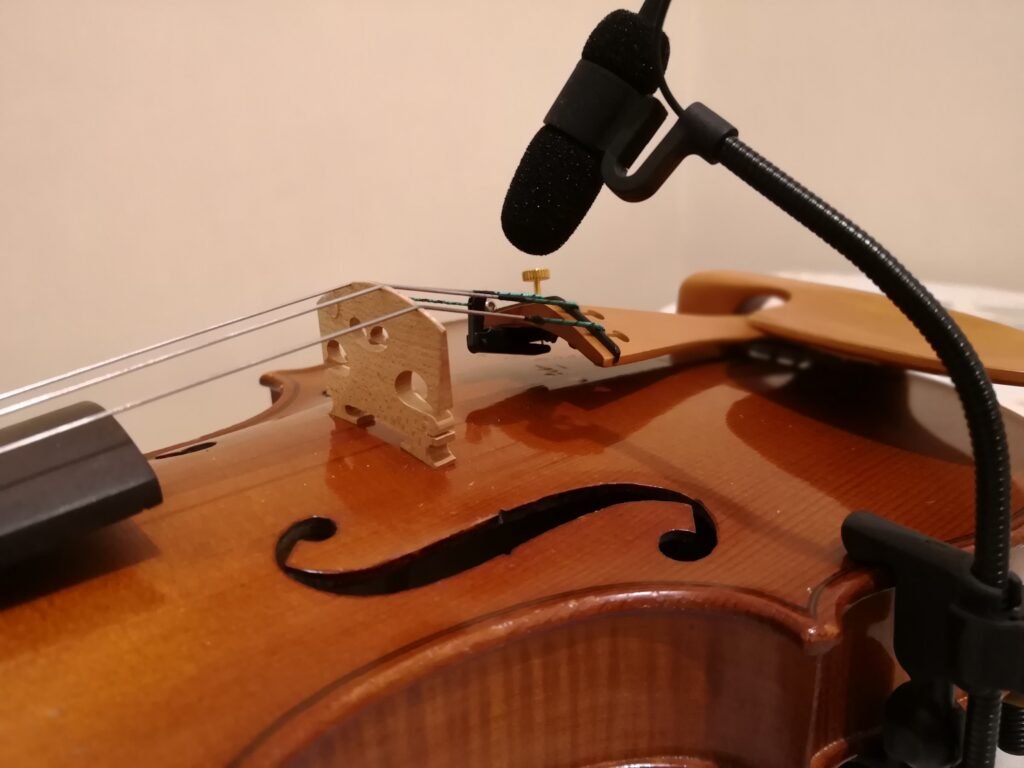
A great value-for-money option, often compared to the DPA d:vote CORE 4099. The CC100 features a presence boost around 5–8 kHz, with a slight low-mid dip. Careful gooseneck placement and subtle EQ adjustments yield clear, articulate sound with sufficient body for live performance.

Price: ~PHP 7000


Pros:

  • Affordable and versatile

  • Clear, articulate sound

Cons:

  • Requires precise placement and EQ tuning

DPA 4061

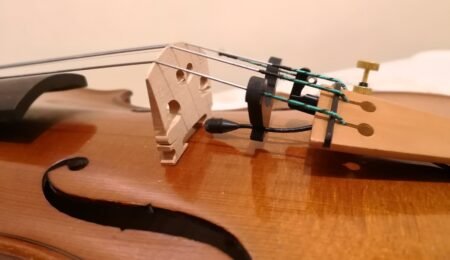
Before upgrading to the 4099, the DPA 4061 became a personal favorite, especially in theater work. Tiny but powerful, it handles extreme dynamics without distortion and captures subtle nuances effortlessly. Though commonly mounted on cast members’ foreheads, it performs equally well on violin and guitar with minimal EQ.

Pros:

  • Exceptionally natural sound

  • High dynamic handling

Cons:

  • Expensive

  • Highly sensitive to moisture and sweat

DPA d:vote CORE 4099

The industry benchmark for clip-on instrument microphones. With a maximum SPL of 152 dB, headroom is enormous. Flat EQ, no compression, and proper placement are all it needs.

It reproduces your violin’s authentic acoustic character, with no hype or coloration.

Pros:

  • Industry-leading sound quality

  • Massive headroom

Cons:

  • Expensive—but justified

Final Thoughts

There is no universally “correct” way to mic a violin. The best setup complements your instrument, your playing style, and your musical context.

Pro Tip: Regardless of mic choice, a gentle low-cut filter, careful gain staging, and thoughtful placement can reduce stage rumble and prevent low-frequency feedback, keeping your sound clean and controlled.

Every product mentioned here has earned its place through real-world use, not speculation. Ultimately, your ears will decide—but these tools are all capable of delivering professional, reliable results.

This review is based solely on personal experience, observations, and opinions.
© L.R.Taylo Jr. Violinist / FOH Sound Engineer

Leave a Comment

Leave a Reply

Your email address will not be published. Required fields are marked *